
This pamphlet attempts to fill another gap in Bill Drummond’s memoir The Life Model (2024).
This pamphlet is about Bill Drummond, but is not commissioned or endorsed by him. It is produced for GANTOB’s project Nine Missing Years. Once completed these nine pamphlets will be sent to Bill Drummond for information.
But today we are more interested in what The Red Squirrel has to say. The lifespan of a red squirrel in the UK is about 6 years. TRS is 2 years old. She would like to make it clear that she is writing imagining that she is Bill Drummond, and what it would be like to be an eight-year-old male human living in Galloway. She is filling the slot of “I Am Eight”: 29th of April 1961 to 28th of April 1962. The conscious bit (above/ over).
In the early 1960s there were lots of red squirrels in the south-west of Scotland, but there were rumours of invading hordes of grey squirrels moving ever closer. The Red Squirrel has some oral testimony passed down by generations of squirrels. These story tellers were descended from an intrepid pair who moved northwards from Newton Stewart, via the West Highland Way, then stowed away from Fort William to Badenoch on the backs of red deer. They navigated down the River Spey, before moving “inland” to settle in a patch of conifers near Granton-on-Spey (which is misleadingly named because it is a long way from the river if you are as small as a squirrel). We should certainly credit this pair – Chuck and Thomasina – as the vectors of this story about a young Bill Drummond. Over to you TRS.
POX (by an imagined Bill Drummond, as recounted by TRS)
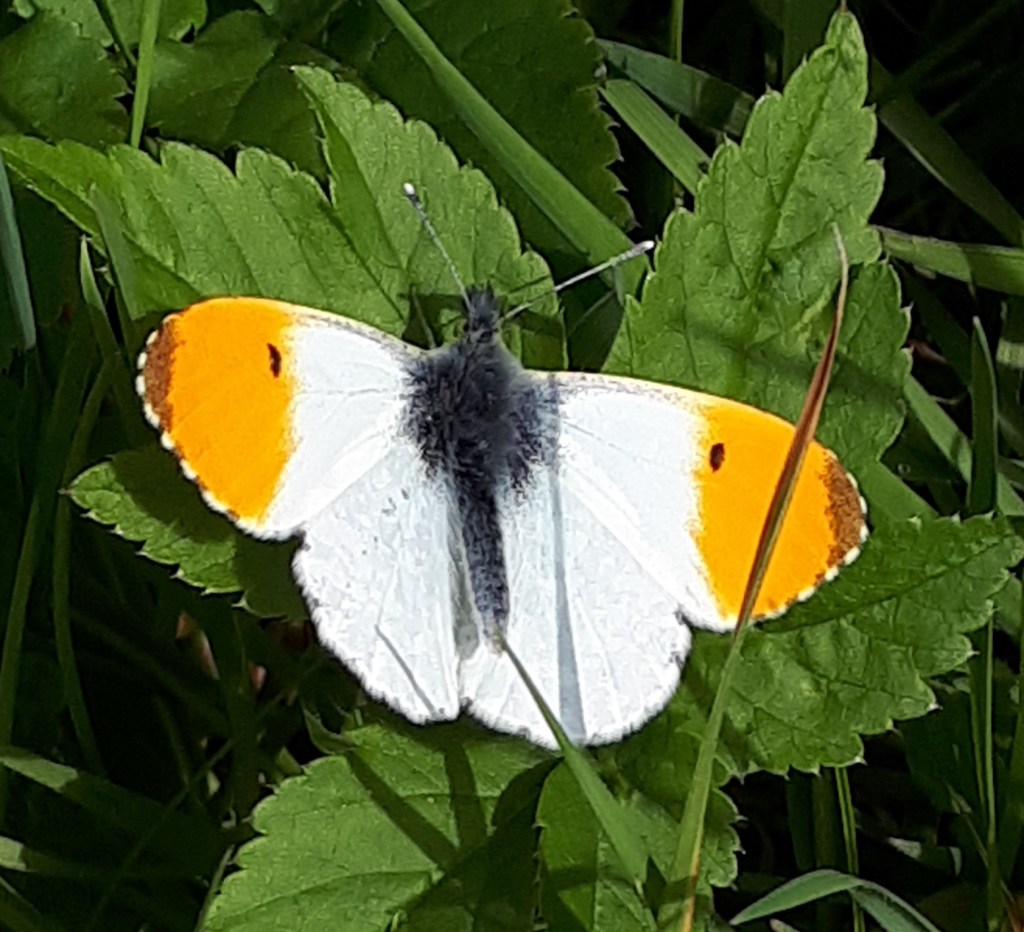
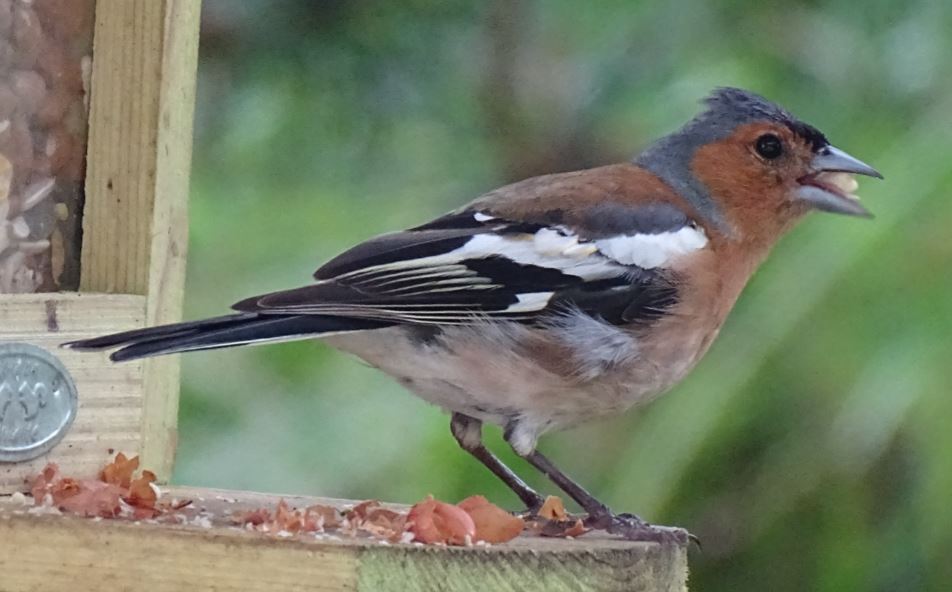
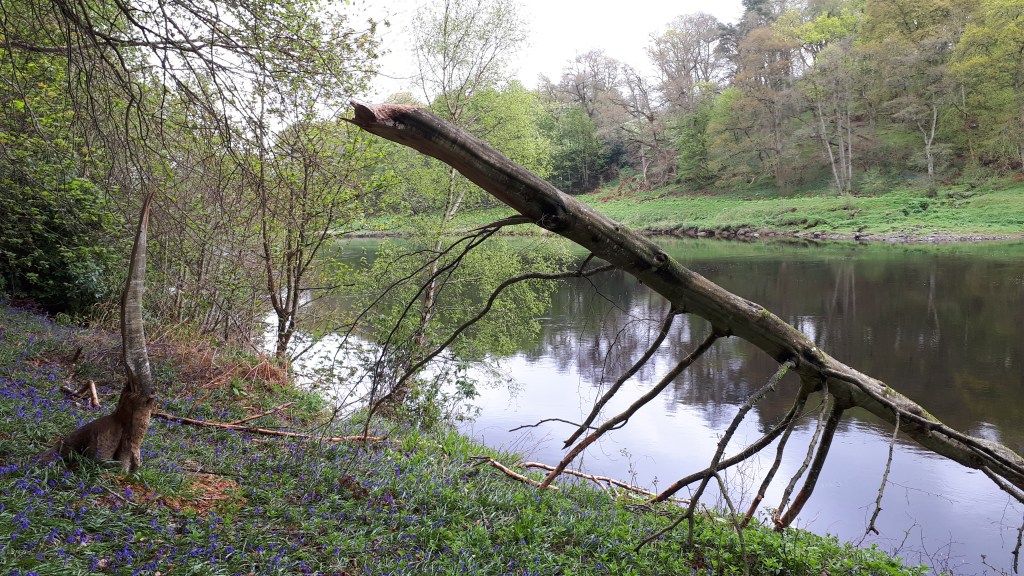
When I was eight, when I was not tied to a desk with schoolwork, or chores around the house, I was outside. The summer of 1961 stretched out to infinity, like the woods and the bird song. I extended my range, exploring as far as I could with a jeely piece and an apple in my pocket and the knowledge that tea would be on the table at 6. I poked my way along unfamiliar tributaries, up trees, along farm tracks, keeping a low profile so that my adventures were not spotted and reported back to the manse. I had regular meetings with squirrels (we did not need to add the “red” at that time). For a few months I could speak their language.
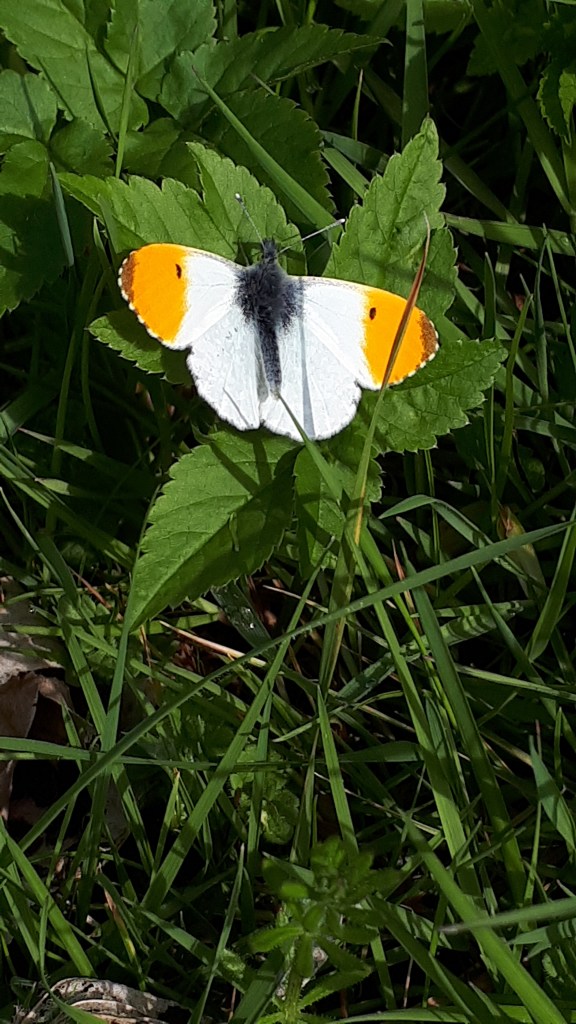
I learnt about the different habitats around Newton Stewart. The huge changes from burn to bank, field to forest. My discoveries were stashed away in matchboxes and jam jars and secreted away in drawers or basins. Beetles, butterflies, caterpillars. Once, a fledgling starling, which I nursed to recovery.
The manse, never quite able to shake off its chilly dustiness, contained books and other binds like setting the table, drying the dishes, polishing the silver. I dragged my heels on that last stretch up to the backdoor of the house, before remembering that I was starving at the end of the day and would have to survive those last few minutes before tea was on the table. The family together again, and the sun tauntingly reminding us that there were still hours to go, my Dad would ask about our day. After tea I would sometimes drag him outside to ask him to identify bird song, or sit for even a few minutes waiting for herons to fly overhead, before the midgies found us. On the way back to the manse he would recite poems, some of which I knew well enough to join in. And from there to Robert Louis Stevenson’s novels, which he told me that he had loved when he was my age. RLS had used his experiences as a child when he was stuck in bed in Edinburgh, dreadfully ill, looking out over the gardens beyond his window. Treasure Island, Kidnapped – my Dad would dig them out for me. I loved the versions of the stories that he told me as we walked, but could not imagine lying in bed for even a few minutes, concentrating on the pages of turgid prose while it was still so warm and light outside. Little did I know that over the autumn I would be spending long stretches in bed myself, with the local GP visiting repeatedly over the days and weeks.

Mumps was the first to arrive. Mum spotted it first. I had slept in, was pale, and did not want my breakfast. “Stop squirreling your food”, she called across the kitchen when she saw me pushing my porridge around my plate, and my puffed cheeks. “But I’m not”, I moaned back. The swelling spread over the course of the morning, and the doctor was called. I was well enough to read a bit of Mark Twain, dreaming of adventures on the Mississippi.
Then chickenpox. And the worst, measles. This was when I started to worry. Conversations floated upstairs. I recognised my Mum, Dad and the doctor’s voices. I was so sleepy, drifting in and out of consciousness. I opened my mouth for my temperature to be taken, warned against biting down on the cold smooth glass of the thermometer as it poked into uncomfortable corners below my tongue. The GP shone his torch inside my mouth and asked me to say “ah”, then stick my tongue out, left then right. I was burning up, and the rash had spread right down my body, red from head to foot.
Measles was “doing the rounds” the doctor explained. Plenty of fluids and some paracetamol and I would be right as rain. Temperature of 102. “As warm as a cat”, he said. That sounded like a good option. I would become a cat I decided. They must have ways to stay cool, even with all their fur. Tortoiseshell would be my preference. Some peach, brown and ginger, like the neighbour’s cat who would sometimes visit. Asymmetrical, vocal and sociable. Female of course, because tortoiseshells almost always are. Cats can find a comfortable position in the smallest of corners. In fact, the smaller the better. My bed in contrast felt huge and sweaty. Aches and pains seemed to follow me in every direction. At least the rash was not itchy, unlike the chickenpox. I curled up, and slept, confident in the knowledge that I was on my way to becoming a cat.
When the house was measles free, and I had returned to human form, my parents started to have visitors again in the evenings. The manse was a natural meeting place, and they would often have guests well into the night. Unable to sleep with the noise I would listen down the stairs. Dull adult chat usually. But sometimes there would be local gossip, or world affairs, that would rise up through the cracks to plant seeds of worry in those tumultuous times. The encyclopaedias did not cover the topics they were discussing. Repercussions from The Bay of Pigs invasion.
One of the forestry managers appeared after the bells that Hogmanay. His annual visit, “first footing”. He had a bottle of whisky, but without a cork. He thought that he must have left it on the kitchen table of the GP. He always brought different chat to the house. I was meant to be upstairs, but was too excited to be confined to my room. Christmas had brought waves of gifts, treats and visitors, and this idea of staying up extra late seemed like an exotic extension of the season. I crept behind the furniture, pretending to be a cat, unnoticed, stealing black bun and shortbread. The visitors were there until 3AM, at which point my Dad steered them to the door and the house was calm. He lifted me up from my hiding place, sound asleep, and returned me to bed.
Festivities never last long in a manse. February 1962 brought news of another virus “doing the rounds”. My Dad received memos from Edinburgh. Smallpox in Bradford, which seemed a world away. News bulletins and visits from the neighbours brought hush to adult conversation. It was something unspoken, like cancer, as if it could be spread just by talking about it. I wrapped up well in a hand-me-down coat and a scarf I had been given for Christmas and spent the days outside, by myself. The squirrels shivered when I told them about the pox, and even they stayed away.
Lent arrived, but the Ash Wednesday Storm that we had heard about on the news petered out in Cornwall, so the squirrels were safe in their trees.
In March the forestry man was back again, but this time he was not full of raucous entertainment. He came to the door with another man who was dressed more like my Dad, in sombre black. They chatted over a research paper that the visitor from Edinburgh had brought with him. A survey of red squirrels in England and Wales, documenting their retreat to more remote areas. There was not a clear explanation, beyond the idea that it was something to do with the “greys”. I went outside to warn my squirrels, but they had packed up and gone.
TRS, pretending to be Bill Drummond, based on testimony passed down the generations from Chuck and Thomasina, 6 April 2024
The Red Squirrel adds that SQPV – squirrelpox virus, which is carried by grey squirrels but fatal for red squirrels – was eventually discovered by humans in 1981.
#GANTOB2024 Pamphlet 27/ #52Pamphlets
One of the 9 Missing Years
If you would like to contribute to this blog (and to see the terms of engagement), please get in touch.
 GANTOB blog